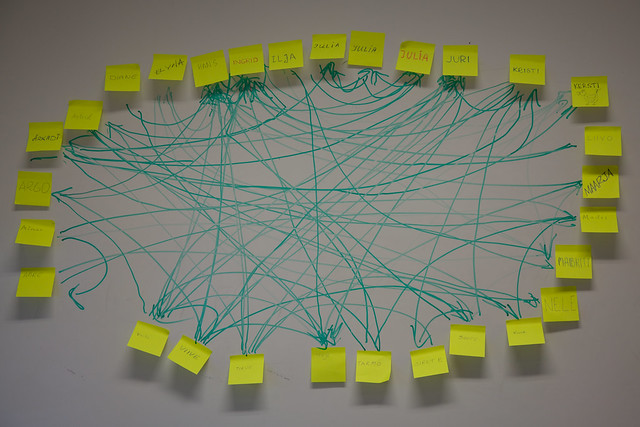
 There is and has always been great power in building networks, but more importantly is using and leveraging them in today’s business and career world. In a relatively short time, building tribes and communities has taken on a lead role in our branding and marketing priorities. The immediate, viral and real time nature of information and communication is nothing short of stunning. From 9/11, Michael Jackson’s death, the liberation of countries, politics, sports, natural disasters, business and careers, there are major benefits of being a part of and engaging in networks.
Here are 5 benefits I have enjoyed from being a part of my networks: resources, support, help, belonging, empowerment.
- Content Resources
The sharing of information, how to’s, lists, content is a daily way of life today both online and in person. The greatest resources today are the people in our networks, be it personal, community, family or business. Blogs, web communities and social platforms all are rich sources including Mashable , Technorati, Huffingtonpost, and of course Facebook, Twitter, Linkedin and Youtube. Pop in some keywords and phrases that you are interested in accessing resources about and watch what comes up! - Personal Support
People need people. This is a WE time. The days of being a lone wolf in life or business are over. We survive and endure by supporting each other. I have seen people go through tremendous personal change in their their health and family life tell me that their ‘online networks’ were instrumental in helping them get through. From people in your inner circle to online friends, people are eager to help! One site that is amazing is Caring Bridge, which I was recently introduced to and engaged in recently during a friends illness. - Ask for Help
Again the power is in the people in your networks. From referrals, feedback, surveys, ideas for blog topics, logos, vacation destinations, baby products, medical: ask your networks a question, post a survey and watch what happens! Just Google, Bing, or Yahoo it. - Sense of Belonging
A sense of belonging, being a part of it is a fundamental human need. The online world has given us an opportunity to band together in tribes and communities to find and support each other. I have met people nationally and internationally through my blog and my new book, who I probably never would have met if it wasn’t for it being on the web. I also interact regularly with people in the niches that I serve. Are you tapping into the resources of your networks and the people in them? Join targeted, smart ones and get involved in them. - Personal Empowerment
This is really a two way street: giving and receiving. I have watched and been inspired by so many people in my networks that have given me the courage, strength and power of example to keep going and get through. They have also allowed me to help and empower them! Receiving from someone who sincerely wants to help is an amazing gift to them and that you give yourself.
Networks and networking, in the two worlds we live, work and play in: online and in person is as important as air, water, food and shelter.
Join, build and grow your networks daily, and watch what happens!
Author:
Deborah Shane is an author, entrepreneur, radio host and expert. She is the heart and soul of her business education and professional development company, Train with Shane and is in her third year of hosting a weekly business radio show on blogtalkradio.com. She writes for several national business, career and marketing blogs, and websites including smallbiztrends.com, careerealism.com, Internationalbusinesstimes.com, Smartbrief.com and blogher.com Her new book Career Transition-make the shift-the 5 steps to successful career reinvention is available now on amazon.com. Connect with her on Twitter, Facebook, LinkedIn and Blogtalkradio @Deborah Shane, or visit www.deborahshane.com.