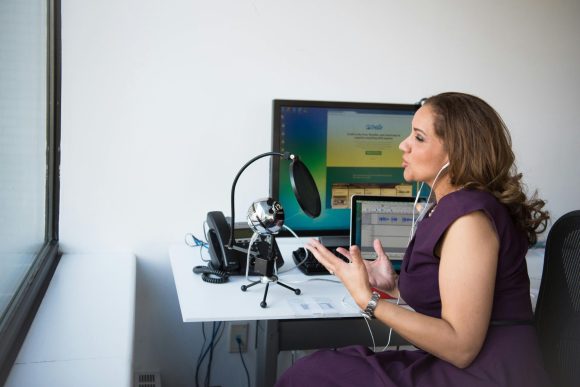
If you haven’t already noticed, the concept of social media has become a mainstream topic that bloggers, media outlets and movie stars continually obsess over daily.
As the “Oprah Effect” has taken root in the marketplace after featuring Facebook and Twitter on her show…the “social media craze” has been established and validated.
The almighty status update
Everywhere we turn the words “tweet,” “wall post,” and “status update” have become commonplace shared between social media evangelists and the general public alike.
As these “new” cultural norms continue to be mentioned on every media channel available, businesses across the globe are in a frenzy about how they can really leverage this technology in a positive way to help their business’ bottom line.
And as each business and fortune 500 corporation begins to even think about tackling this feat, the main question on the mind of every Senior VP of Marketing is…
“What “expert” can I totally trust to help me integrate this technology into the companies business effectively and seamlessly…without doing more “harm” than good to our current business model?”
Unemployment is at an all-time high
In the time we are in, unemployment is at an all time high, and as more and more employees continue to be laid off, more and more “Social Media Experts” begin to pop up in the twitter stream and on Facebook daily.
Most claim that they can help you use this powerful technology to reach your business goals.
STOP for a second and THINK…
Are these particular individuals actually qualified to teach marketing directors at companies how to really use this stuff, if they have only been using this technology for less than 6 months?
Adding to this dilemma, another issue that needs to be addressed is…
As these self proclaimed “Experts” point to non-credible “Results,” such as their twitter following and number of Facebook friends…the sad part is that these individuals believe that those “number statistics” make them think they actually know how to use this technology to help a business owner or marketing director.
You accidentally made a mistake
Maybe you have made the mistake, took one of these self-proclaimed “experts” at face value, with their “shoddy” statistics and chose to bring them on to help you with your business.
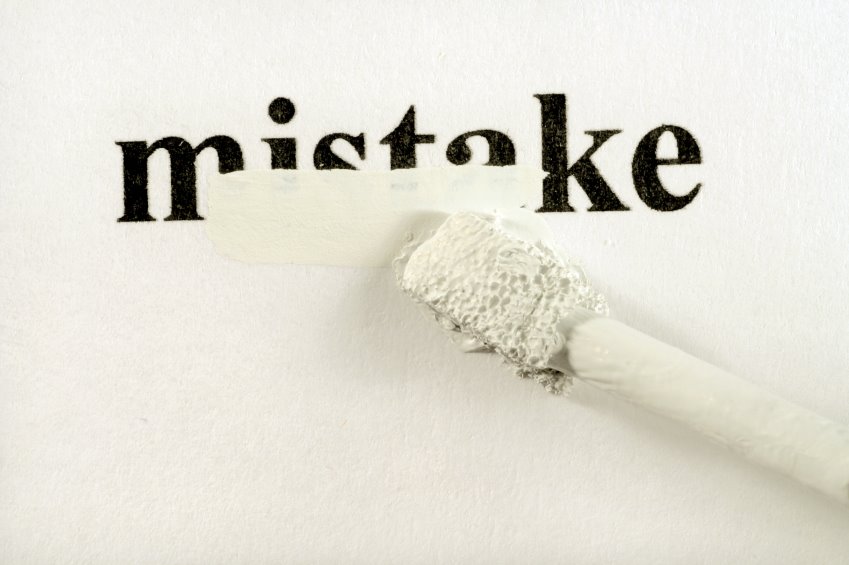
After bringing them on, you now regret the decision because all you felt they did, was take your money, set up your social media accounts, showed you how to use the tools, but left out the most important part to using social media for business.
You know…the part involves actually helping you effectively leverage the technology to help you reach your business goals in the space.
In the end, the experience has totally put a bad taste in your mouth about these particular self-proclaimed “Experts”, and because of this experience, any social media strategist you come across, in your mind, is none other than someone out “scamming” people because they can’t get a real job of their own after being laid off.
Instead of listening to these “Experts” you have committed to go through the grueling task of trying to learn this stuff on your own, because you really don’t know who you can trust to effectively teach you how to use it for your business.
Or maybe the latter is true for your situation…
You decided you wanted to bring on a social media strategist to help you with your company, after getting a referral from someone you trust.
The experience working with the person has been amazing, and you now recommend them to all of your business colleagues because they really made a positive impact to your bottom line, traffic and exposure using these tools.
The social media strategist is happy, you are happy and your customers are happy which I love to call a WIN/WIN/WIN.
The personal branding lesson
No matter what field or niche you are in, calling yourself an “Expert” before you actually are an expert that can point to quantifiable bottom line results does more harm than good to you and your personal brand.
Note: Most people aren’t referred to as experts until enough other people refer to them as an expert for their particular craft. Referring to yourself as an expert without any “loyal fans” to back up your claim is a RECIPE FOR DISASTER.
As Dan has talked about before in the past, your brand is now searchable through Google, and all it takes is one negative blog post about an experience someone had with you that could ruin your brand and your business for a very long time.
Keep in mind…
You only have one reputation to protect, and once you lose that credibility with someone, the chances of getting it back are slim to none.
No amount of press releases, PR campaigns, or blog posts can ever re-establish your credibility after making the crucial mistake of calling yourself an “expert” before you are one.
As you continually move forward in your life, be sure you are 100% confident you can always back up every single solitary claim you make because if you can’t, the damage done to your personal brand can be permanent and hurt you and your future career long term.