Have you ever been mistaken for someone else? Here’s how your personal brand reduces your risk of being a victim of mistaken identity.
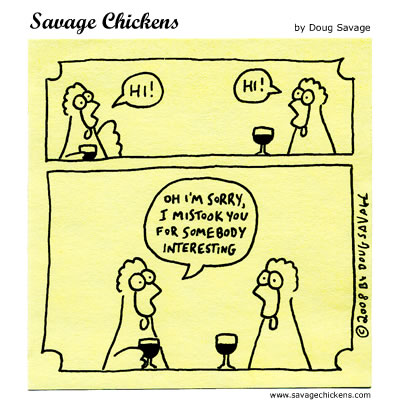
It can happen to you
Cases of mistaken identity happen all the time and not always in the ways you might think.
Such as when…
- A credit company mixes up 2 people who attended the same school
- A coroner mistakes a car crash survivor for the victim
- Sportscasters think they’re talking to a star player’s father when it’s just a fan
- A college professor is confused with a student murder suspect
Why are there so many examples of mistaken identity?
If you’ve never been confused for someone else, it often happens like this.
A person approaches you, thinking that they’ve seen you before. However, as they get closer and especially once you open your mouth to reply to their inquiry, they realize that “they thought you were someone else.”
It always comes down to a lack of information.
In the examples above:
- The credit company had enough information to find 1 of 2 people but not enough – e.g a birthday – to distinguish between the two.
- The coroner based his identifications of the survivor and victim on strewn evidence and the opinions of friends and family instead of running scientific tests from the start.
- The fan and the player’s father were wearing similar baseball caps when they were confused and the sports crew didn’t have an actual photo of the father.
- Only a middle initial distinguished the professor’s name from that of the murder suspect. The first photo that was put out to catch the murderer was actually an old photo of the professor.
So what can you do to prevent yourself from getting caught in such a mixup?
1) Lower your identity information barriers
If having the right information about you will keep people certain who they’re dealing with, you need to make it as easy as possible for them to get the right information about you.
- Be listed in your local phone book.
- Carry identity information – driver’s license or other – at all times.
- If you have an allergy to medication or other major health condition, wear a MedicAlert bracelet or similar.
- Make sure that your government agencies (and their databases) have the right information, both via their websites (online) & when you call them (offline) if the responses might differ.
- Have a web presence that appears high in search engine results pages, and make it clear how to contact you for further information.
- Complete and update your profile on the most-used social media networks in your area.
Ultimately- don’t just be easy to find, be easy to find well.
2) Be unique and a standout
If lowering barriers to your personal ID information is the passive strategy to avoid mistaken identity, being a standout and building a strong personal brand is the active strategy.
The stronger your personal brand, the less chance that someone would confuse you with someone else, regardless of whether your personal brand name is Barack Obama or Oprah or something else.
The stronger your personal brand, the more people will doubt when they hear something that doesn’t match your personal brand. It was a former student of the college professor who notified him that the media was portraying him as a murder suspect.
Conclusion
If your personal ID information strategy contains both passive and active elements, you probably won’t be mistaken for anyone else anytime soon.
Have you ever been confused for anyone else in a significant way?
Author:
Jacob Share, a job search expert, is the creator of JobMob, one of the biggest blogs in the world about finding jobs. Follow him on Twitter for job search tips and humor.