Today, I spoke with Cal Newport, who has already written two books for college students, and has a great blog on how to hack college. Cal has a lot of knowledge when it comes to how to succeed at college, make the most out of your time in college and how you brand yourself as the top college graduate to get into grad school. His advice is very interesting, especially his points about not majoring in business and how to differentiate yourself without having two majors. He even helps us dissects the college admissions process, so high schoolers know what it takes to get into the top schools. This interview is a must-read for any ambitious college student!
What does it take to be a standout student?
At the college-level, this usually means two things:
- First, being a star within your major. You want professors in your department to write recommendation letters that begin: “this is one of the top students…”
- Second, being involved in one really interesting, impressive endeavor. For example, organizing a conference, starting a new publication, launching a business, conducting undergraduate research. This combination is the most rewarded by the post-graduation market.
Here are two things that do not make you a standout: taking an incredibly difficult course load or joining a huge number of clubs. The former makes it hard for you to excel within a single major (which requires that you can spend a lot of time on a small number of courses) and the latter makes it unlikely that you’ll do something truly original and interesting.
Many students think the key to success is being able to say: “I have three majors and am the president of 19 clubs.” This bores people. What really shines is being able to say: “I kick ass in Astronomy and wrote a computer program to help analyze radio telescope data.” Here’s the cool part: the latter path is actually really fun. The former path leads to burnouts.
What is the difference from the college application process of 5-10 years ago and today? What does it take to get into college? Ivy league college?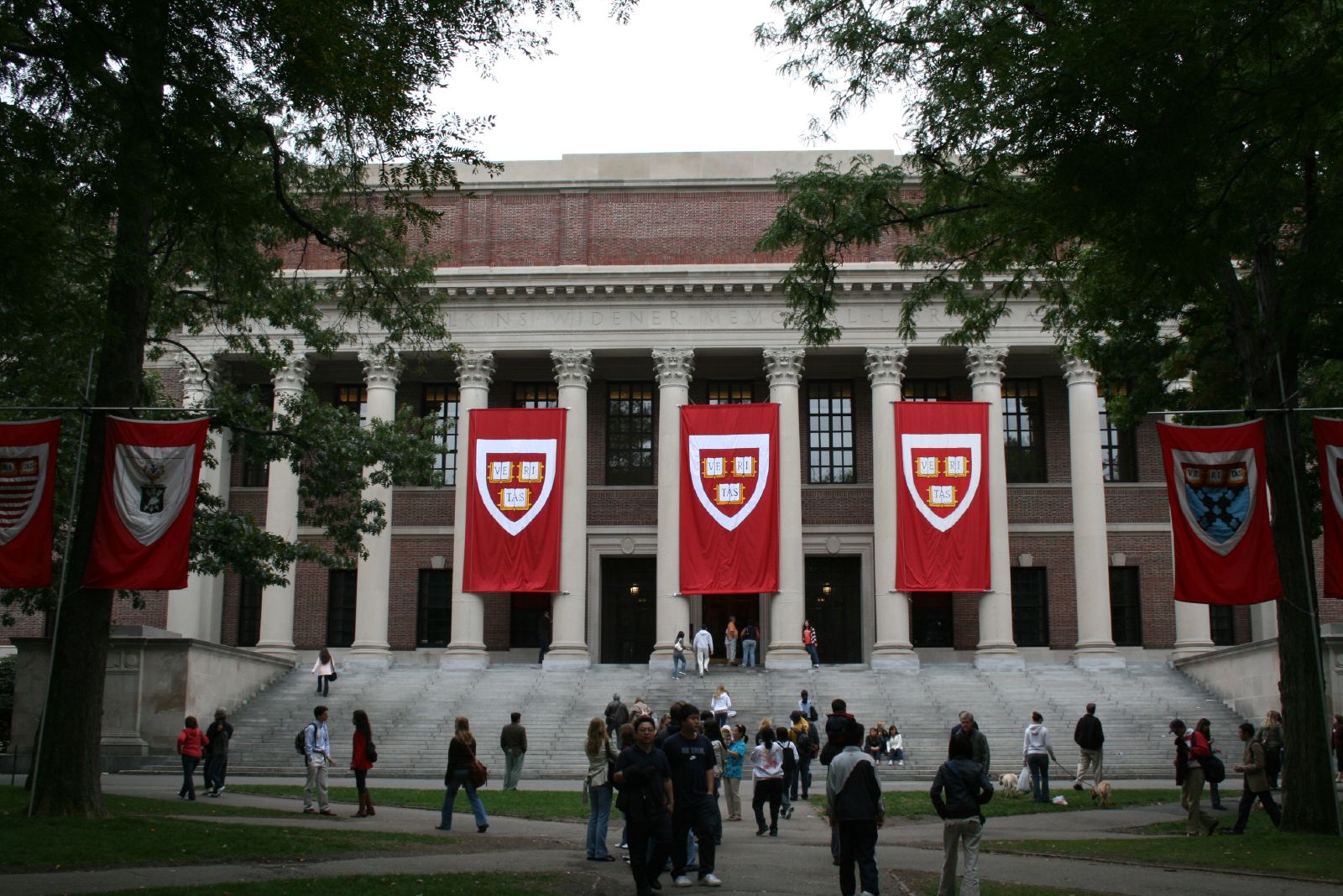
The college application process has undergone major shifts. There was a time when being class president and scoring really high SAT scores meant you could go to an Ivy League school, and everyone else went to their local state school. As things got more competitive, we entered the age of the “well-rounded” student; elite colleges started looking for students that showed real aptitude in multiple different areas.
More recently, this has given away to a star system: the elite college seek out the rare superstar student who blows away his or her peers in terms of raw intelligence and accomplishment. The most widely used strategy for winning the modern admission game is to do more hard things than everyone else applying for the same spot. This leads to students with what one high schooler I know calls “super resumes” — 15 clubs, 5 mission trips, 3 sports, 19 A.P. courses, etc.
I call this the schedule-packing strategy. My problem with this approach is that it doesn’t work very well. Sure, if you can do more hard things than everyone else applying to Harvard, you can get in. But most likely, there will be someone who did just a little bit more than you and all of your effort will be wasted. To make matters worse, this effort is very painful. In short: schedule packing is really hard.
The alternative approach is to become what I call on my blog a Zen Valedictorian. These are students who eschew over packed extracurricular schedules, and, instead, stumble into areas that really fascinate them and end taking the pursuit somewhere really unexpected and cool. If you can couple this with the grades and SAT scores that match your dream school’s expectations, then you have a good shot of getting in. It’s also much less painful.
What are your top 3 college hacks to succeeding more by doing less?
- Study during the day, during short bursts (around 1 hour), in isolated locations. Do not study in long, uninterrupted blocks at night after dinner. Because your intensity of focus is so much higher during the day, you will accomplish the same amount of work in much less hours.
- Never perform rote review (silently reading your notes and reviewing your assignments). Instead, create quizzes such that the answers to the questions cover the concepts you need to know for the test. Study by answering the questions, outloud, as if lecturing an imaginary audience. Then check if you hit all the main points in your answer. This quiz-and-recall approach will cement concepts stronger and faster than silent review.
- Do less. Have one major. You think you need a double major, but you don’t. Keep your courseload reasonable. Keep your extracurricular commitment low. Spend more time with friends, or reading, or just exploring things that are interesting. This will prevent burnout. You’ll also *do* much better in your classes — because you have more than enough time to handle the work — and in your small number of pursuits.
Related Post: Go Confidently In the Direction of Your Dreams
What would you recommend to a college student in order for them to get the job they want when they graduate?
Follow my advice about becoming a standout: be a star in your department and do something really interesting. Don’t worry about matching your major to the job you want, if it’s not a technical field (think: engineering or programming), your major doesn’t matter much.
If you have your heart set on a specific field, make your one cool thing you do during college match that field. For example, if you want to be a journalist, you should probably make your cool endeavor center on writing. Though, for the most part, it’s hard to predict what you’ll be doing right out of college, so, in general, being a standout will keep options open.
“Don’t, however, major in business. People are bored by this. If you really want a high-powered job in finance or consulting, major in math. This impresses these same people.”
Is straight A’s enough to get into graduate school anymore?
Grad schools care about only two things: your grades in the relevant courses and your research experience. That’s it. It’s not like college. The admissions committee doesn’t want a well-rounded class. They don’t care that you volunteered for Habitat for Humanity. They want students who can hit the ground running doing top-notch research. If you want to go to graduate school, put most of your time into your major courses and getting involved with research.
——–
Cal Newport graduated Phi Beta Kappa from Dartmouth College in 2004, and is currently a Computer Science Ph.D. candidate at the Massachusetts Institute of Technology. He is the author of How to Become a Straight-A Student (Broadway Books, 2006) and How to Win at College (Broadway Books, 2005). Newport has appeared as a student success expert on ABC, NBC, and CBS and on over 50 radio networks, including ABC Radio, USA Radio, and XM Satellite Radio. In addition, his award-winning blog, Study Hacks, is one of the Internet’s largest student advice sites, with over 4000 RSS subscribers and 30,000 – 50,000 unique monthly visitors.