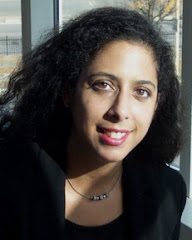
Today, I spoke to Lylah Alphonse, who is a full-time editor and writer at the Boston Globe and the managing editor at WorkItMom.com. In this interview, Lylah reviews how to become a freelancer, why you need to be a writer and an editor, and how to pitch the media.
How does someone get started in freelancing? How did you originally choose that type of career?
My advice to anyone who wants to get started in freelancing would be consider non-traditional media — that is, don’t turn your nose up at the idea of writing for an online publication. Start a blog to showcase your writing or as a place to collect all of your virtual clips. Read as much as you can, and write your take on events, your reactions, and your opinions on your blog. Don’t expect to make your living by writing (or editing, or shooting and producing video) right away, but keep at it and don’t get discouraged — every opportunity is a little more experience under your belt.
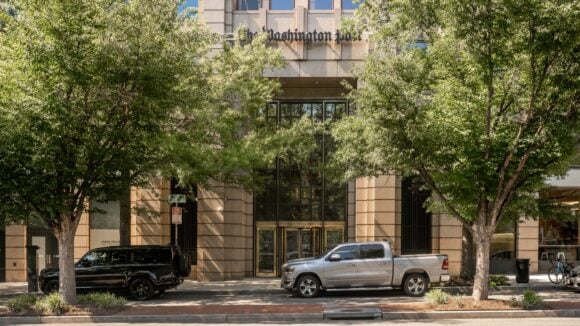
My freelance career came about by accident. I’ve been a full time editor at The Boston Globe since 1994, so I started my freelance career by writing for some of my colleagues. A few years ago, it occurred to me that I could write elsewhere as well, as long as it didn’t conflict with my work at The Globe, and so I dove in. I’m working on building my own brand outside of the editing work I do at the Globe, and so far it’s been extremely satisfying.
What would you say your major strength is: writing or editor or both?
Both. I don’t think you can have one without the other. You need to hone your editing skills (copy editing and enterprise or story editing) in order to write effectively, since the way you write depends on the subject of the article and the medium in which it will appear.
You typically write about money and childcare, which are two completely different topics. How do you juggle both?

I’m a mom and step mom to five kids, age 16 to 3; I’m the breadwinner for our household, and I work full time outside of the home and freelance at night. So, basically, I write about what I know (or about what I know how to research): Parenting, work-life balance, career, and money. Parenting topics and career/finance topics seem very different, but there’s actually a good amount of overlap. A lot of the skills you develop in order to be successful in your career translate well to parenting, and vice versa. And a lot of the money management you do at work is similar to what you do as the breadwinner at home, just on a different scale.
Where do you think you’ll be in five years? Where will your industry be?
In five years, I’d love to have a good amount of flexibility in my career, so that I can set my own schedule and better juggle my life — work, family, and self. I’m not sure where the newspaper industry will be in five years, but I firmly believe that there will always be a need for good writers and reporters and solid editors, no matter the medium.
You must get a lot of pitches each day. How do you decide which ones you want to write about?

You’re right — I do get a lot of pitches! I try to respond to all of them, even if just to say that I’m not interested, but some days I’m just not able to. I wrote a post some time ago, about how to write a press release that gets noticed and I think the ones I decide to pursue follow those guidelines, for the most part. If it’s obvious that the PR person has taken the time to see what I write about, then I’m more likely to take a closer look at the pitch. But if a pitch is poorly written, gimmicky, has my name spelled wrong, or is for something that clearly doesn’t appeal to my main readers, I hit “delete” right away.
—– —
—
Lylah Alphonse is a full-time editor and writer at the Boston Globe, where she’s worked since 1994. She’s also a freelance writer, editor, and blogger: She writes about parenting issues for the Boston.com/Moms parenting blog, Child Caring, and about juggling career and parenthood at The 36-Hour Day at WorkItMom.com, where she’s also the Managing Editor. She weighs in on work and money issues for Yahoo.com, and writes articles, profiles, book and product reviews for The Boston Globe.