Originally published in 2008. Updated in 2025 as part of the Personal Branding Blog relaunch under Brown Brothers Media.
Today’s post is the second in a series of blog posts dedicated to your personal branding toolkit. A toolkit is a compilation of marketing materials used to help sell yourself, your business or both. It’s how you stand out without evening talking to someone. Not everyone has to use each tool, but they will give you some great ideas about what you CAN do.
Your personal branding toolkit
1) Business cards
2) Portfolios
3) Resumes
4) Cover letters
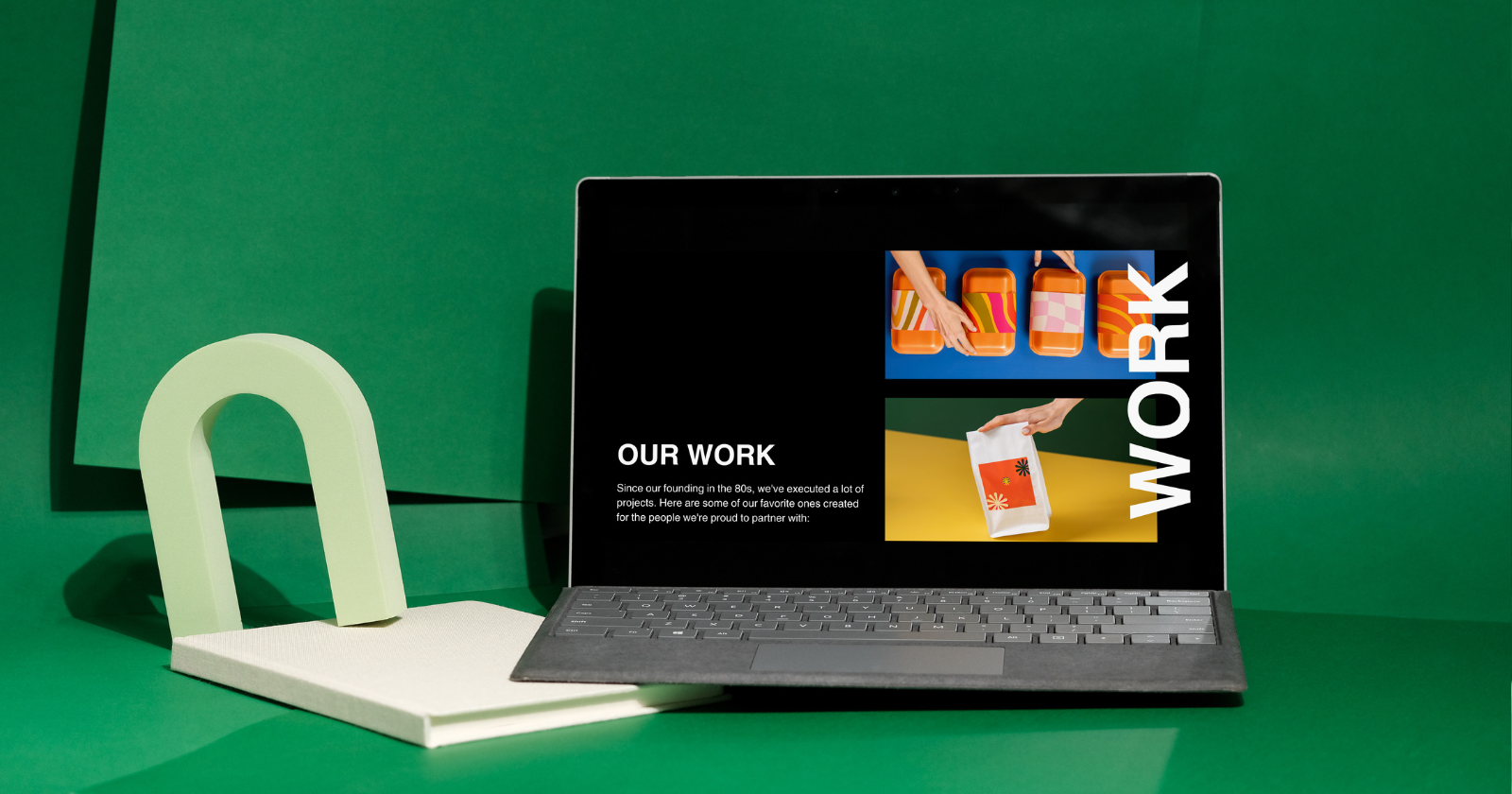
Your portfolio is one of the most powerful tools in your branding arsenal. Whether you’re a creative professional, consultant, or entrepreneur, it serves as concrete proof of your work, your promise, and your value.
This post shows you how to build a portfolio that elevates your personal brand and opens doors to new opportunities.
Three types of portfolios
1. Digital (USB or online link)
Sharing a portfolio through a USB drive, digital folder, or secure cloud link can make a strong impression in interviews and client meetings. A well-organized digital portfolio might include examples of websites, designs, written work, marketing materials, or other professional projects, along with standard documents such as a résumé and cover letter. Each main category should have its own clearly labeled folder to make browsing easy. Personalizing the USB drive or digital folder with a branded cover image or design can also reinforce your professional identity.
2. Web only
If you already have a branded website (for example, yourname.com) or a blog, then you can include screenshots of your work, cleanly formatted, and place them online. Today, many professionals also use platforms like Behance, Notion, or Carbonmade to showcase their projects in a professional, visual way.
After placing all these visuals on your site or portfolio page, you’ll have a link to include on your résumé. On your résumé it should say “See my online portfolio: yourname.com/portfolio.”
3. Print
Some people prefer to show their work on paper. Print your best samples on high-quality paper and bring them to an interview or client meeting. You could also bind a few projects into a simple brochure or booklet and hand it out as a tangible representation of your work.
When are portfolios required?
If you are going for a creative position, you really need a portfolio because, like I’ve said many times, everyone is OBSESSED with previous accomplishments.
Why? People are crazy about trust and who they invest their time and money in. They want evidence that you succeeded in the past so they can visualize the same success in the future. Creative positions are typically in art, website design, branding, marketing, etc.
Freelance journalism is also an area where writing samples or previous publications are crucial. You need to prove to people time and time again that you have credibility and writing skills.
3 tips for grade A portfolios
1) The amount of samples: If you are just starting to build your portfolio, use everything as a case study and don’t be picky or selective. On the other hand, if you’ve built up a army of case studies, then take only the top 5, in each category, to use in your portfolio.
2) Use categories: Don’t have a cluttered website that has images of logos, other websites and written pieces all over it. Break everything you do into categories that make sense for the reader. If one category isn’t your strong suit, then demote it on your site. It’s really that easy.
3) Include descriptions: Just because a picture says a thousand words doesn’t mean I know what the heck you’re talking about. You need to have a title, objective, date and written description for each piece of work that you promote. The description should talk about the company you worked for, what the problem and solution was and your results.
Conclusion
A well-designed portfolio isn’t just a display of your past work. It’s a strategic extension of your personal brand.
- New York’s new AI advertising law took effect June 9 and requires a “conspicuous” disclosure any time a synthetic AI performer appears in an ad, with fines of $1,000 for a first violation and $5,000 for each one after that, and while the law spares publishers who merely host the ad, any blog or brand actually producing AI-generated spokespeople for a New York audience is squarely on the hook. - The Blog Herald
- People who journal every morning aren’t always trying to process something heavy — for many, it’s just the one part of the day that still belongs entirely to them< - The Blog Herald
- There’s a certain kind of person who, somewhere in their 60s, quietly stops justifying their choices in conversation — not because they’ve stopped caring, but because explaining yourself loses its urgency when you finally like who you are - Global English Editing
Whatever format you choose (digital, print, or hybrid), craft it with care, clarity and alignment with your professional identity. Organise your work thoughtfully, describe it convincingly and present it confidently.
When your portfolio mirrors the quality of your brand, it transforms from a mere folder into a catalyst for your next opportunity.
This article is part of Personal Branding Blog’s Legacy Series — highlighting timeless insights from our archive. Learn more about our story here.