Social Networking: Is Growth Destroying it’s Value for End Users?

Social networking is great for many things – it can help you get a job, make a new connection, get your foot in the door, and meet folks you would have never had the opportunity to meet physically. But, lately, I’ve started to wonder if social media networks are losing their value at the expense of their owners wanting to scale and IPO.

The infrastructure of the web?

Social media networks are fast becoming the infrastructure of the Web as all of our personal data and connections are being aggregated into databases. The value of Facebook, Linkedin, and Twitter is part how much of our personal information they store and part how useful they can make this information for companies, advertisers, marketers, and consumers. The more information social networks know about us and our connections, the more targeted they can make their advertising and ultimately their business value.
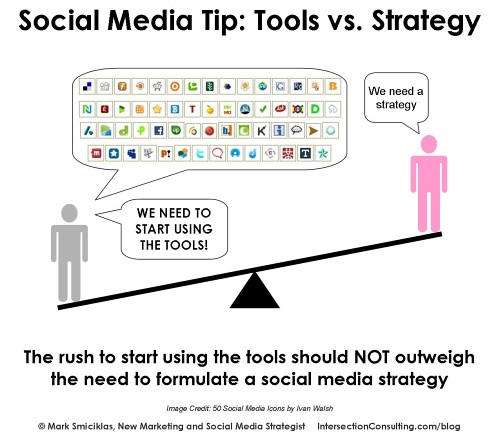
But for the end user – people like me and you – is it really valuable to have a sprawling list of social media connections? The answer is yes. Having a high number of quality social media connections is very valuable for any personal brand. The flip side is that as your social media connections grow, the noisier your feeds get, and it becomes harder to keep tabs on the connections you really care about. That presents a problem and destroys the true value of social networking.

Connection are valauble

If we need our social media connections consisting of both high and low value connections – what can be done to make social media more efficient and organized?

The ability to organize connections into lists.

Think about it — does it make sense that your old college buddies are grouped together with your work connections? Nope. How about having your different groups of friends all thrown into the same stream? It just makes no darn sense. And the problem only gets worse as your build out your personal brand and social media connections.

A list feature would fix all of this.

If we could organize our connections into groups we would not have to worry about irrelevant conversations flowing into other groups. We would not have to deal with a constant bombarding of status updates unless we wanted to have the “main status update view” on. This would be a giant step in the right direction for social media networks. It would also throw a giant wrench into the developing business models of social media networks and that’s probably why it has not been enabled.

Picture of Chad Levitt

Chad Levitt

Chad Levitt is the author of the New Sales Economy blog, which focuses on how Sales 2.0 & Social Media can help you connect, create more opportunities and increase your business. Chad is also the featured Sales 2.0 blogger at Sales Gravy, the number one web portal for sales pros, the professional athletes of the business world. During the day, Chad is an inside sales associate with EMC Corp., the global leader in information infrastructure technology & solutions, in their award winning sales development program. Chad attended the University of Central Florida for his undergraduate degree and Nova Southeastern University for his MBA with a concentration in finance.

TRENDING AROUND THE WEB

Greif and Gleason’s 1980 research on how children learn politeness routines found that young children almost never say “please” or “thank you” spontaneously, they say it because a parent prompts them with “what do you say?” dozens of times a week, meaning the reflex adults later display without thinking twice was built through years of someone else’s prompting long before it became automatic.

Greif and Gleason’s 1980 research on how children learn politeness routines found that young children almost never say “please” or “thank you” spontaneously, they say it because a parent prompts them with “what do you say?” dozens of times a week, meaning the reflex adults later display without thinking twice was built through years of someone else’s prompting long before it became automatic.

Global English Editing

Still Performing for Ghosts: On the Masks We Keep Wearing for Tribes That No Longer Exist

Still Performing for Ghosts: On the Masks We Keep Wearing for Tribes That No Longer Exist

The Vessel

AI answer boxes are reportedly wiping out a majority of organic search traffic for some blog categories in 2026 — while others have barely lost a visitor, and the split comes down to one thing

AI answer boxes are reportedly wiping out a majority of organic search traffic for some blog categories in 2026 — while others have barely lost a visitor, and the split comes down to one thing

The Blog Herald

Many adult children remember watching a father work sixty-hour weeks for decades so the family could have what he never did, then watched him die in his sixties without ever prioritizing his own happiness, and now see that same pattern quietly repeating in their own lives, under a different name.

Many adult children remember watching a father work sixty-hour weeks for decades so the family could have what he never did, then watched him die in his sixties without ever prioritizing his own happiness, and now see that same pattern quietly repeating in their own lives, under a different name.

Global English Editing

Eye tracking research on how people actually read web pages found that most visitors scan in a rough F shaped pattern down the left side of the screen, which is why professional editors front load the real information instead of slowly building up to it

Eye tracking research on how people actually read web pages found that most visitors scan in a rough F shaped pattern down the left side of the screen, which is why professional editors front load the real information instead of slowly building up to it

The Blog Herald

Harvard researchers had 166 undergraduates rate their own pets on qualities like thoughtful, considerate and sympathetic, and the students who felt most chronically disconnected from other people scored their pets meaningfully higher on exactly those three traits, and no others.

Harvard researchers had 166 undergraduates rate their own pets on qualities like thoughtful, considerate and sympathetic, and the students who felt most chronically disconnected from other people scored their pets meaningfully higher on exactly those three traits, and no others.

Global English Editing