I have several quotations on the wall in my office. In my last post I discussed the first one, which is:
Life isn’t about finding yourself. Life is about creating yourself. (George Bernard Shaw)
The gist of that post was that people tend to search for pay and sustenance in the earlier part of their careers, then realize later in their careers that they want their work to have more meaning and purpose. Creating yourself and your career involves many things, one of the most important of which being your values.
In this second post in the series, I want to share with you another quotation on my office wall:
What would you attempt to do if you knew you could not fail? (Robert Schuller)
In addition to evaluating your career choices from the perspective of meaning and purpose, it is also important to consider risk and reward. I like this question because it challenges us to consider the extent to which we are playing it safe with our job choices and long term career plans/path.
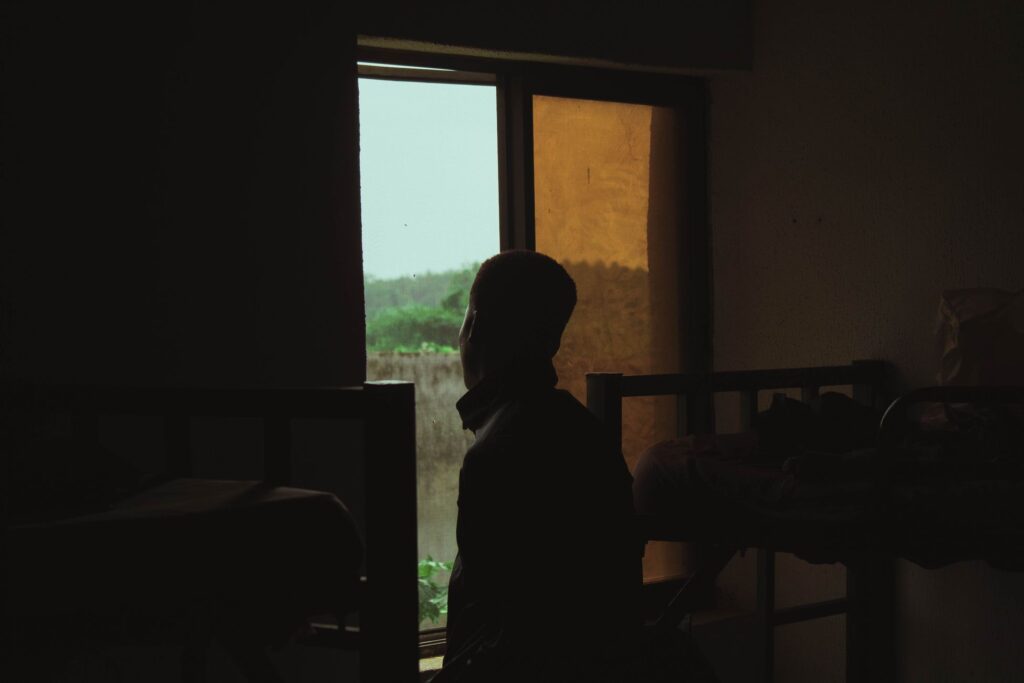
Many of the people I speak with each month, at one time or another, have let fear of failure hold them back from the simplest of choices… changing jobs. If you think about Maslow’s hierarchy of needs, they seem to have never gotten past a focus on the lower needs — physiological and safety. To some extent, fear of the unknown drives many of us to opt of what appears to be the lowest risk choice.
This is a broad topic, but I think it might be helpful to at least address it from two aspects. One is the potential fallacy of opting for what appears to be the lowest risk choice and the other is the waste of potential from seeking safety. Let’s look at these two briefly….
First… I encounter lots of people who have been “hanging on” in their current jobs and companies, despite the negativity of their circumstances. I spoke with such a person just this week, who has finally decided he has had enough working for a Fortune500 company that has a poor track record over the last 10+ years of developing and utilizing its workers. Virtually everyone from this company who talks to me complains of how bad it is… and yet few of them take the initiative to get the heck out. Now, here’s the REAL rub — as their incompetent management continues to slumber at the wheel, the axe could fall at any time on these huddled masses who are “hanging on” to what appears to be a safe income source. This is truly sad.
Second… In seeking what may be a false god of safety, these hordes are hurting themselves in ways that they may not have considered. They have so much potential to learn more, to become more, to enjoy life more, and to be rewarded more. They are missing the opportunity to work in a better environment with more motivated and supportive co-workers. They are missing the opportunity to make new relationships with top-flight people who may someday be able to bring them along with them as they seek higher and higher accomplishments. They are, in the final analysis, forgoing all these positive things in exchange for a certain level of comfort in their perceived safety. This is also sad.
I challenge you to consider seriously what you would do if you knew you could not fail. Take out a blank piece of paper and write down all those things. Don’t limit yourself. Be bold.
Now, consider how safe you have been playing it in your career and your life so far. You are capable of many orders of magnitude more than you have attempted thus far. What can you start doing today to make a reality one or more of the things you wrote down?